|
| | |
Don't Overestimate Taiwan Dividend
from U.S. Midterm Elections |
|
|---|
|
|
|
|
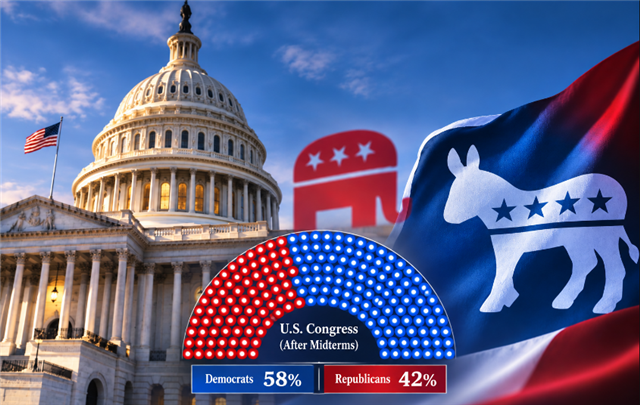
With Democrats controlling the United States Congress, checks on President Donald Trump's Taiwan policy may prove ineffective; Taiwan must respond with caution. |
|
|---|
|
Democratic Checks on Trump May Not Make Taiwan Safer
With the midterm elections in the United States now concluded, what Taiwan should pay attention to is the underlying message conveyed by American public opinion. Americans generally oppose the war with Iran and tariffs. The election results suggest that politicians aspiring to run in 2028 may become even more reluctant to support costly interventions in foreign affairs in response to voters' expectations.
|
|
|---|
|
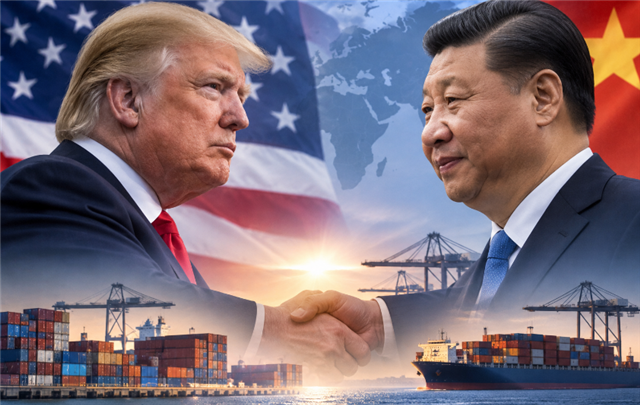
Although the midterm election defeat may be a setback, it is unlikely to significantly diminish President Trump's influence on American foreign policy; a major U.S.-China deal remains possible. |
|
|---|
|
As Trump Faces Domestic Setbacks, Beijing May Seize Opportunity to Advance Grand U.S.-China Bargain
With the midterm elections in the United States concluded, the Democratic Party has secured majorities in both the House of Representatives and the Senate. Many observers believe that President Donald Trump has entered his "lame-duck era," while a new generation of Republican leaders is eagerly eyeing the 2028 presidential election. However, under the U.S. constitutional system, foreign affairs and national security powers rest with the president, and Mr. Trump continues to wield significant influence over the future direction of U.S.-China relations.
|
|
|---|
|
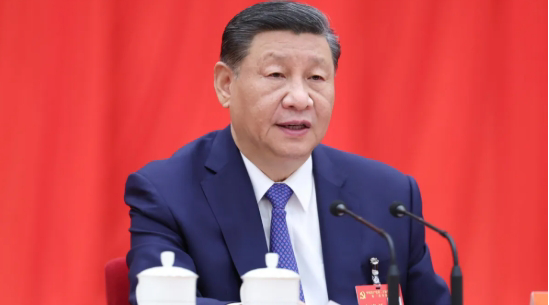
According to a commentator, Chinese President Xi Jinping's purge of senior PLA officials has weakened military combat capabilities, potentially increasing the risk of miscalculation in a Taiwan Strait crisis. |
|
|---|
|
Purges Within PLA Leadership: Military Threat and Taiwan Crisis Risks Escalate
At this Fifth Plenum, a total of 24 Central Committee members of the Chinese Communist Party (CCP) were expelled, but only 10 alternate members, including Lu Dongliang, were promoted to full membership. Notably, none of the 10 newly promoted members came from the People's Liberation Army (PLA) or the People's Armed Police (PAP). Among the five alternate members who should have been promoted according to their ranking but were "skipped" were Lieutenant General Fu Wenhua, the former commander of the Beijing Garrison who was later transferred to serve as deputy commander of the PAP, and Lieutenant General Zhu Wenxiang, also a deputy commander of the PAP.
|
|
|---|
|
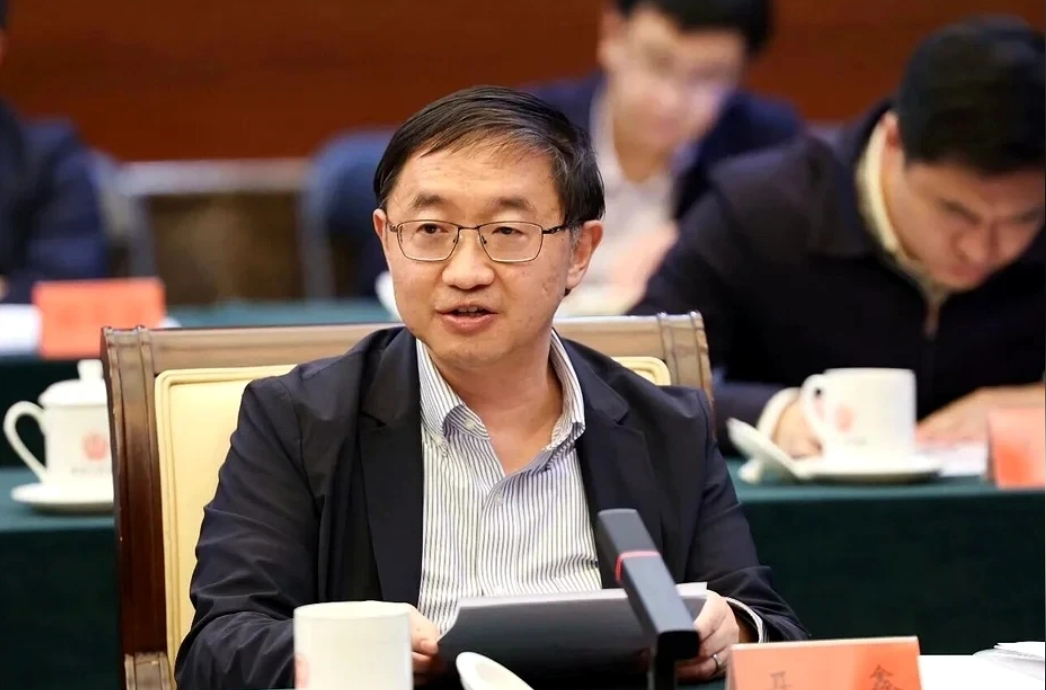
The Cross-Strait Public Law Forum returns to Taiwan after an eight-year hiatus, with a mainland Chinese official receiving the rare approval to visit Taiwan. |
|
|---|
|
November 2:
Japanese media reported that Japan and Taiwan are studying a broad-based trade agreement covering multiple sectors, similar to the Enhanced Trade Partnership Arrangement signed between the United Kingdom and Taiwan in 2023. The agreement could be signed as early as the end of this year. Minister of Foreign Affairs Lin Chia-lung expressed optimism about the initiative. |
|
|---|
|
November 4:
The Ministry of Foreign Affairs stated that China replaced the traditional in-person delivery of Asia-Pacific Economic Cooperation (APEC) invitation letters with e-mail notifications and continued to apply discriminatory treatment towards Taiwan in several meetings. In response, the Taiwan Affairs Office of the mainland's State Council stated that it has consistently handled Taiwan's participation in accordance with the "One China" principle, as well as APEC memoranda, regulations, and established practices, adding that Taiwan can attend meetings as long as it follows the prescribed procedures. |
|
|---|
|
November 4:
According to a report by United Daily News, the Cross-Strait Public Law Roundtable Forum was held in Taiwan in person for the first time in eight years. More than a dozen leading mainland Chinese scholars attended, including Nie Xin, a professor at Tsinghua University Law School and current member of the Chinese People's Political Consultative Conference (CPPCC). Amid strained cross-strait relations, the government's approval for Nie's visit was considered highly unusual. |
|
|---|
|
November 5:
Media reports indicate that Micron Technology has decided to suspend construction of its new Taoyuan facility due to unresolved labor-management disputes in Taiwan. The move could affect the company's planned advanced DRAM expansion project, originally slated for investment of US$3-4.5 billion and production commencement in 2028, while also adding uncertainty to Micron's long-term footprint in Taiwan.
|
|
|---|
|
November 5:
In the United States, Democrats signaled that they would pressure President Donald Trump to move forward with arms sales to Taiwan. Greg Stanton, a member of both the House Foreign Affairs Committee and Select Committee on the Chinese Communist Party, said he hopes to use Congressional appropriations authority to urge the Trump administration to stop delaying a $14 billion arms sales package to Taiwan. |
|
|---|
|
November 5:
In the United States, Democrats threatened to roll back President Trump's tariff policies. The Executive Yuan and Ministry of Economic Affairs both stated that they would continue implementing the outcomes already negotiated with the United States. However, some commentators argue that the agreed investment amount and timeline for Taiwanese investment in the United States are overly restrictive and that the government should seek adjustments. |
|
|---|
|
November 6:
Shaken by a sharp selloff in American equities, Taiwan's stock market opened down by more than 3,700 points, plunging below the psychologically significant 40,000-point level and falling beneath its annual moving average. At one point, losses approached 9 percent, setting a new record for the largest intra-day point decline in Taiwan's stock market history. |
|
|---|
|
|
|
|---|
|
| |
|
| |
|
|