Trump and Xi Jinping push for strategic de-escalation in the Taiwan Strait. Taiwan should take the initiative to revamp cross-strait exchanges. |
|
|---|
|
Xi–Trump Meeting: Two Misunderstandings by Lai Administration
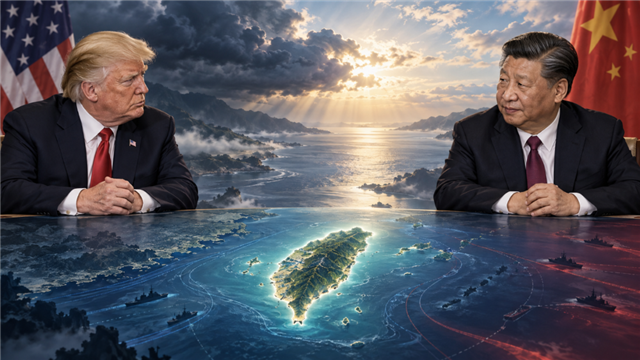
The second summit between President Donald Trump of the United States and Chinese President Xi Jinping of the year has concluded. Based on publicly available information, Taiwan does not appear to have been significantly affected. Mr. Xi expressed the hope that the United States would oppose Taiwan independence, while the United States reiterated that its position on Taiwan remains unchanged. No “grand bargain” appears to have emerged. Yet, looking back at developments over the past six months, one can clearly discern a trajectory in which Mr. Trump and Mr. Xi have jointly promoted “strategic de-escalation across the Taiwan Strait.” What are the implications of this?
|
|
|---|
|
After the Trump-Xi meeting, Taiwan cannot rely solely on American protection. Taiwan should proactively defend itself. |
|
|---|
|
Taiwan Not Written into the U.S.–China Joint Statement
By Lee Hsiang-chou
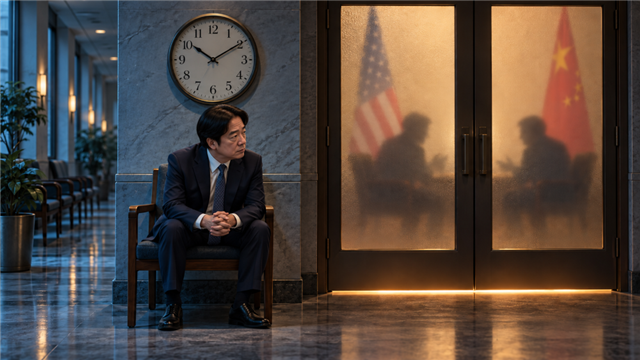
The summit between President Donald Trump of the United States and Chinese President Xi Jinping at the White House concluded as scheduled. Together with the Beijing summit in May, two summits have now taken place. Taiwan was not written into any document, yet it appeared on every agenda. In my view, “This is not security. This is waiting—waiting to be arranged.”
|
|
|---|
|
A former ambassador’s posthumous book blames the DPP government for following the U.S. into the Nicaragua diplomatic break, then shifting blame to diplomats. |
|
|---|
|
Behind Nicaragua’s Diplomatic Break: Tsai Administration’s Foreign Policy Mistake
By Hsu Mien-shen
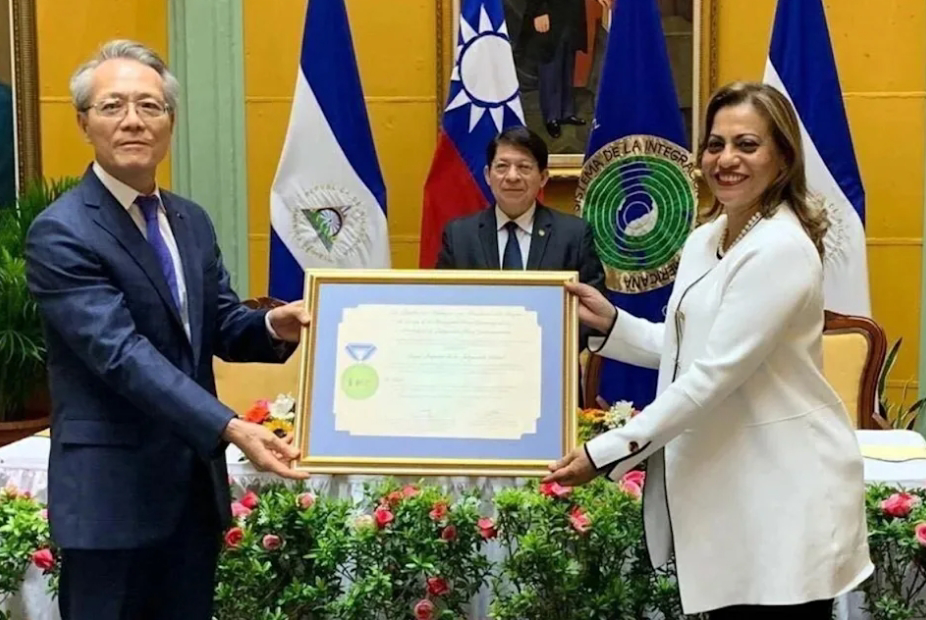
Media reports recently noted that former Ambassador to Nicaragua Wu Chin-mu, in his posthumously published memoir A Clear Yet Resonant Voice: Echoes of Wu Chin-mu’s Diplomatic Career, denied allegations that he had known about Nicaragua’s decision to sever diplomatic relations with Taiwan but failed to report it. He argued that the real turning point in the rupture came after Nicaragua’s presidential election on November 7, 2021, when Taiwan chose to follow the U.S. position and did not congratulate Daniel Ortega on his re-election, ultimately prompting Nicaragua to turn toward Beijing.
|
|
|---|
|
The first two new F-16 fighter jets arrived in Taiwan. Delivery delays have led to discussions of non-cash compensation. |
|
|---|
|
September 26:
Chinese President Xi Jinping concluded his visit to the United States. Although the U.S. and China’s respective statements did not mention Taiwan, President Donald Trump confirmed that the two sides discussed the issue: Right now, it's, you know, fine. It's just moving along. Xi understands very much how I feel.” |
|
|---|
|
September 28:
Reports from the semiconductor equipment industry indicate that the Taiwan Semiconductor Manufacturing Company (TSMC) plans to expand its U.S. manufacturing footprint by launching a second campus in Texas, with investment surpassing that in Arizona. Bloomberg also reported that TSMC had previously held investment talks with Singaporean government. TSMC declined to comment. |
|
|---|
|
September 29:
The posthumous work of former Ambassador to Nicaragua Wu Chin-mu was published, revealing that Nicaragua’s severing of diplomatic ties with Taiwan in 2021 was not due to pressure from Beijing. Instead, it was because the administration of then-President Tsai Ing-wen aligned with the United States and failed to send a congratulatory letter for the re-election of President Daniel Ortega, effectively abandoning Nicaragua. |
|
|---|
|
September 29:
The Legislative Yuan convened. During Premier Cho Jung-tai’s policy report, opposition parties collectively boycotted the session, protesting Cho’s repeated disregard for the Legislative Yuan and his precedent of issuing unendorsed reports. Their absence served as a silent protest.
|
|
|---|
|
September 29:
The Legislative Yuan exercised its power of consent over the appointment of Control Yuan members through a roll-call vote. None of the 27 nominees reached the threshold, resulting in a complete rejection. The Control Yuan, already vacant for two months, will remain in suspension. |
|
|---|
|
September 29:
The National Development Council (NDC) released the August economic report, showing a “red light” signal representing strong economic activity. This marks nine consecutive months of red lights, tying the longest record. The NDC noted that both leading and coincident indicators continued to rise, and September is expected to flash another red light, setting a new record. |
|
|---|
|
October 1:
The National Science and Technology Council approved DRAM manufacturer Nanya Technology’s expansion project, which will be located in the Pingtung campus of the Southern Taiwan Science Park, rather than the originally targeted Yunlin site. The new plant will focus on advanced semiconductor 3D wafer packaging and testing operations. The investment amount has not been disclosed. |
|
|---|
|
October 2:
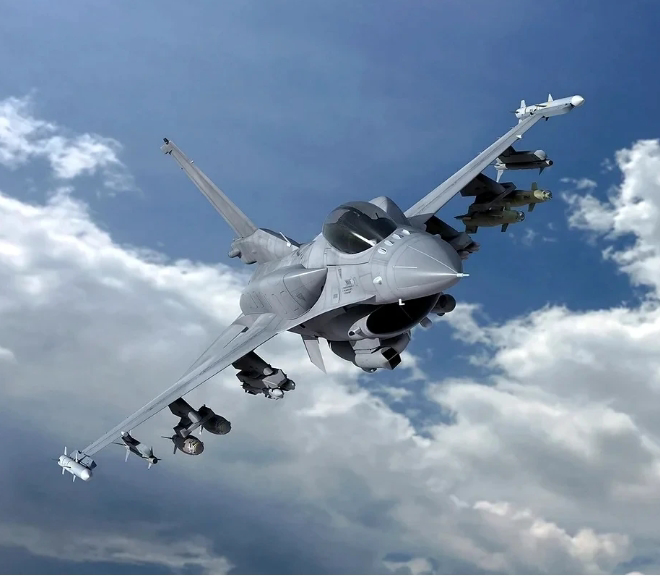
For the first time in 29 years, the Air Force received brand-new fighter jets. The first two of the 66 F-16 C/D Block 70 aircraft purchased from the United States arrived in Taiwan. Due to severe delays in the procurement schedule, reports suggest that the Ministry of National Defense has requested additional technical services and other “non-cash compensation.” If Lockheed Martin agrees, it would set a precedent.
|
|
|---|
|
|