|
| | |
China-Made Rebranded as Made in Taiwan:
PCB Giant Accused of Origin-Washing |
|
|---|
|
|
|
|
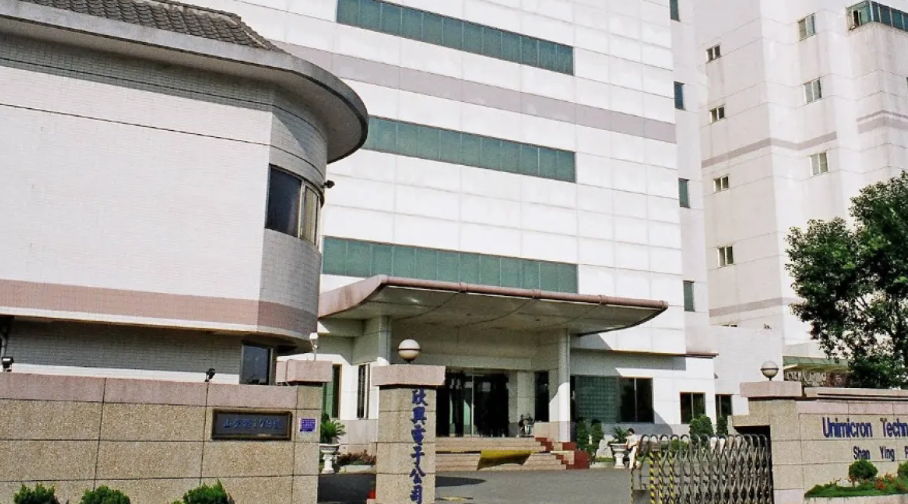
The Unimicron case highlights the high cost of non-China supply chains, leaving Taiwan’s electronics sector torn between rising expenses and competitiveness. |
|
|---|
|
U.S. Demands "Non-China": Who Pays the Price?
Unimicron Technology, a major Ajinomoto build-up film (ABF) substrate and printed circuit board (PCB) manufacturer, was recently searched by prosecutors and investigators on suspicion of bringing PCBs produced in China back to Taiwan and replacing their labels with “Made in Taiwan,” allegedly involving document forgery and false labeling of goods.
|
|
|---|
|
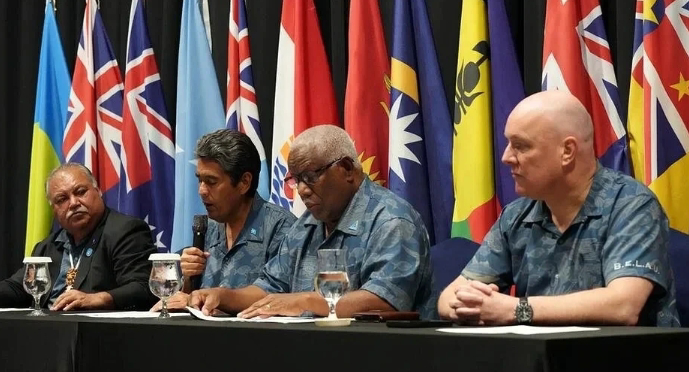
US-China tensions over Taiwan flared at the Pacific Islands Forum, escalating cross-strait friction ahead of the Trump-Xi summit. |
|
|---|
|
Ahead of Trump-Xi Summit, Pacific Becomes U.S.-China Battleground over Taiwan
The Pacific Islands Forum (PIF) is being hosted by Palau, one of Taiwan’s diplomatic allies. Minister of Foreign Affairs Lin Chia-lung was invited to attend the 30th “Taiwan/ Republic of China and Pacific Islands Forum Countries Dialogue” and the “Pacific Prosperity Exhibition.” Qian Bo, mainland China’s Special Envoy for Pacific Island Countries, stated that Taiwan’s participation in the forum “will always have consequences,” while adding that “this is not a threat.” Beijing also warned national leaders and ministers not to attend side events involving Taiwan. The forum has now become entangled in U.S.-China political maneuvering over Taiwan, making it particularly sensitive ahead of the meeting between President Donald Trump of the United States and Chinese President Xi Jinping.
|
|
|---|
|
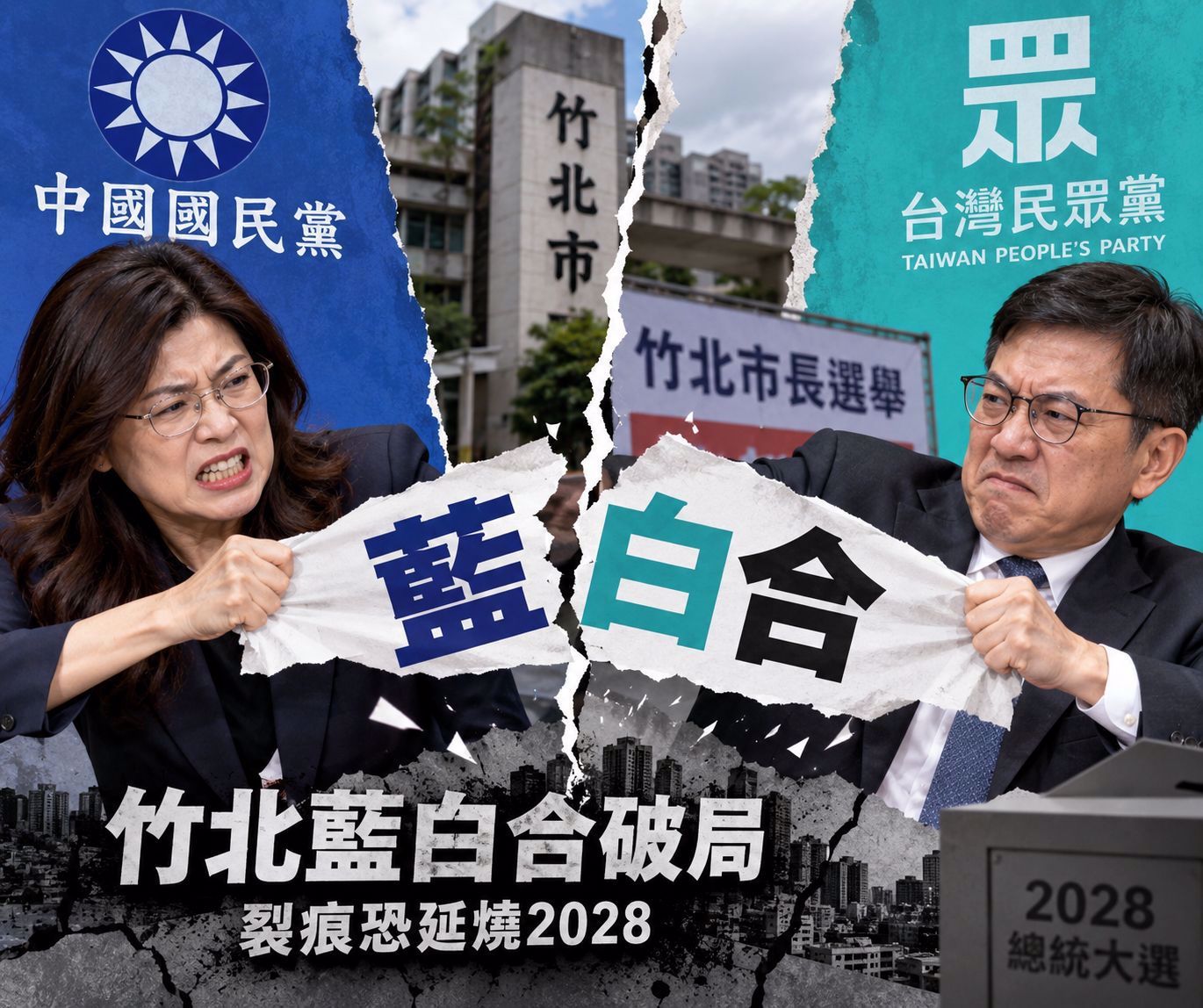
A local KMT-TPP rift in Hsinchu’s Zhubei City could spark a domino effect impacting the 2028 presidential race. |
|
|---|
|
KMT-TPP Local Divisions May Trigger Domino Effect
The collapse of the opposition alliance between the Kuomintang (KMT) and Taiwan People’s Party (TPP) over the mayoral election in Zhubei City, Hsinchu County, is no longer merely a dispute over the nomination in a single constituency. It has become a serious test of the opposition camp’s foundation of mutual trust and strategic planning. If the two parties continue to avoid the core issue and lack a credible and effective coordination mechanism, the negative effects could continue to expand, ultimately allowing the ruling Democratic Progressive Party (DPP) to reap the benefits.
|
|
|---|
|
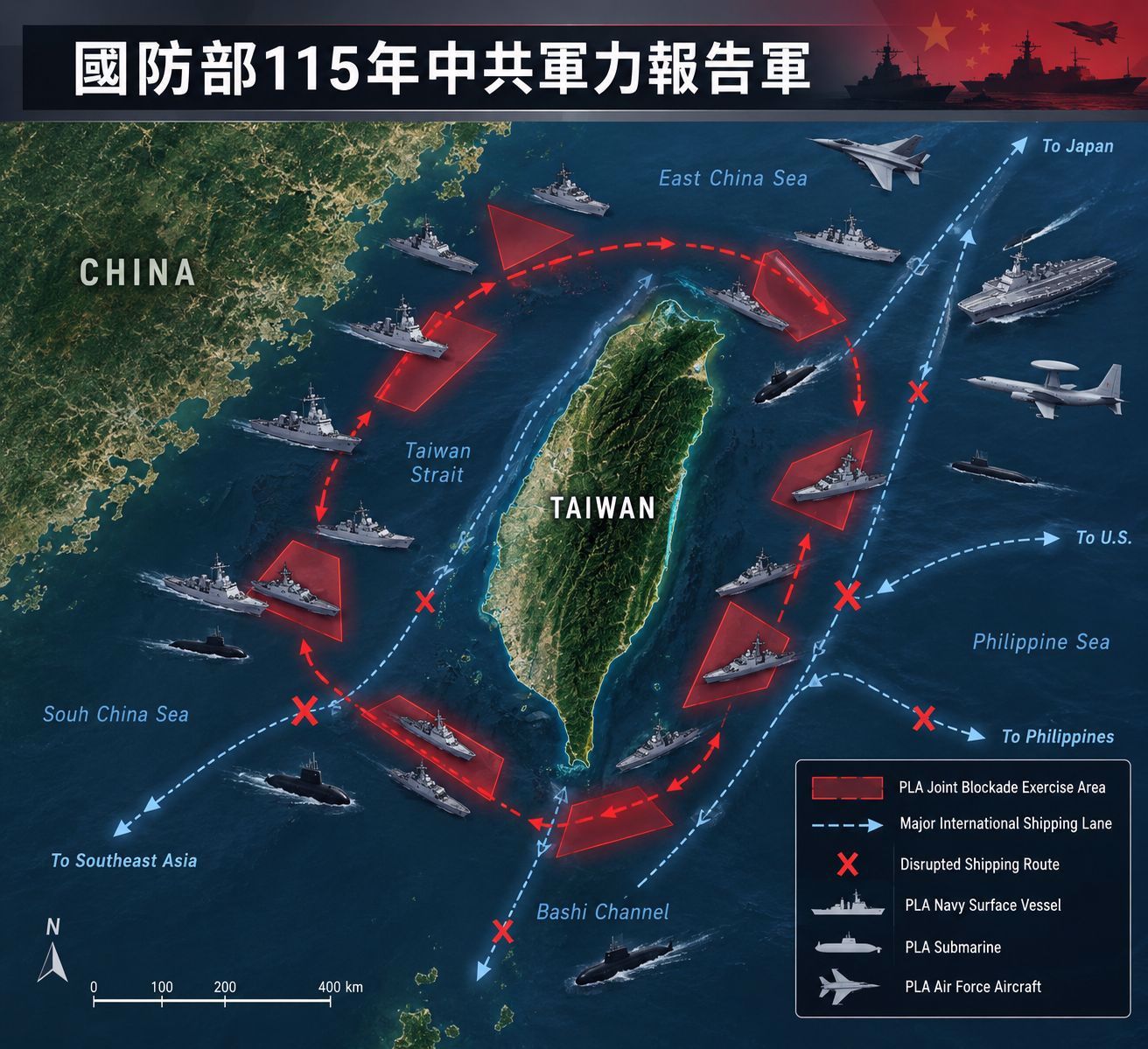
Taiwan's defense report notes that PLA drills focus on joint blockades to cut off the island’s external sea lanes. |
|
|---|
|
August 28:
Opposition parties proposed three referendum initiatives: re-introducing corporal punishment, abolishing the “Nuclear-Free Homeland” policy, and earmarking traffic fines excessively for transportation projects. After review, the Central Election Commission (CEC) only approved the “abolition of the Nuclear-Free Homeland” initiative. The opposition criticized the CEC for depriving the people of their referendum rights. |
|
|---|
|
August 31:
The National Audit Office’s review report on the central government financial accounts last year noted that the Ministry of National Defense (MND) spent over NT$3.5 billion (about US$110 million) to build a drone defense system, but progress was delayed and functions incomplete. The Executive Yuan’s integrated plan for unmanned vehicle industry development allocated NT$44.2 billion (about US$1.4 billion), yet the dedicated flight-testing site has stalled. |
|
|---|
|
August 31:
The 2026 Report on the People’s Liberation Army (PLA) military power newly released by the Ministry of National Defense states that recent PLA exercises against Taiwan have focused on “joint blockade” of Taiwan’s external sea lanes, shaping favorable conditions for an invasion by cutting off Taiwan’s maritime traffic, and creating an encirclement posture. |
|
|---|
|
August 31:
Huang Yen-nan, former Minister of Digital Affairs and distinguished research fellow of Academia Sinica, stated at the Technology Sovereignty Summit that for Taiwan to develop sovereign AI, it must confront two major challenges: computing power and electricity supply. He noted Taiwan’s infrastructure lags not only behind the United States and China but also Japan, South Korea, and Singapore.
|
|
|---|
|
September 1:
Minister of Labor Hung Sen-han confirmed that he will attend the Asia-Pacific Economic Cooperation (APEC) Human Resources Development Ministers’ Meeting in Nanjing in late September. The Ministry of Foreign Affairs stated that in the past nine months, 25 ministries and agencies have sent delegations to China for various meetings without incident. Beijing said participation would be handled under the “One China” principle. |
|
|---|
|
September 2:
U.S. Secretary of Commerce Howard Lutnick announced that Taiwan will soon declare additional investment in the United States. Minister of Economic Affairs Kung Ming-hsin clarified that Lutnick’s statement refers to the same US$20 billion in extra investment recently tallied by the Ministry, mainly in semiconductor supply chains and AI servers. |
|
|---|
|
September 3:
The Legislative Yuan froze one-third of the Executive Yuan’s 2025 budget allocation of NT$1.5 billion (about US$47.3 million) and did not lift the freeze. However, the Executive Yuan’s final accounts showed NT$1.4 billion (about US$47 million) had already been spent. The opposition accused the government of misappropriating frozen funds and showing contempt for parliament. |
|
|---|
|
September 3:
The Executive Yuan approved a draft supplementary budget for 2026 totaling NT$607.6 billion (about US$19.1 billion), the largest in history. Among the allocations, more than NT$140 billion (about US$4.4 billion) is designated to backfill defense special budget items previously cut by the Legislative Yuan. The total government expenditure this year will reach NT$3.5 trillion (about US$113.2 billion).
|
|
|---|
|
|
|
|---|
|
| |
|
| |
|
|