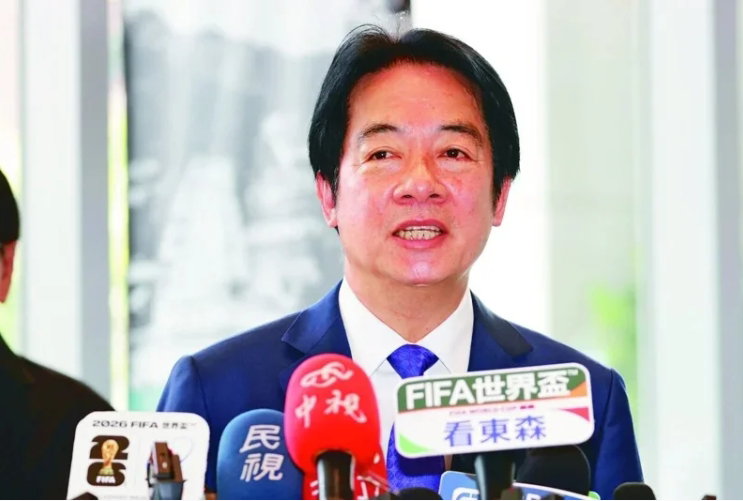
The Central Union Oil Co. carcinogenic oil scandal has escalated. The administration of President Lai Ching-te is prosecuting the company but not holding negligent officials accountable. |
|
|---|
|
Lai Administration Accused of Shifting Blame
One week after the Central Union Oil Corp. carcinogenic cooking oil scandal erupted, President Lai Ching-te finally broke his silence, declaring that "those who should be held accountable will be held accountable, with absolutely no leniency." This was followed by the large-scale removal of related food products from shelves and extensive prosecutorial raids, quickly escalating the incident into the largest food safety scandal in Taiwan’s history in terms of the size of the companies involved and the level of those implicated. Yet the Lai administration has remained vague about exactly who should be held accountable and how.
|
|
|---|
|
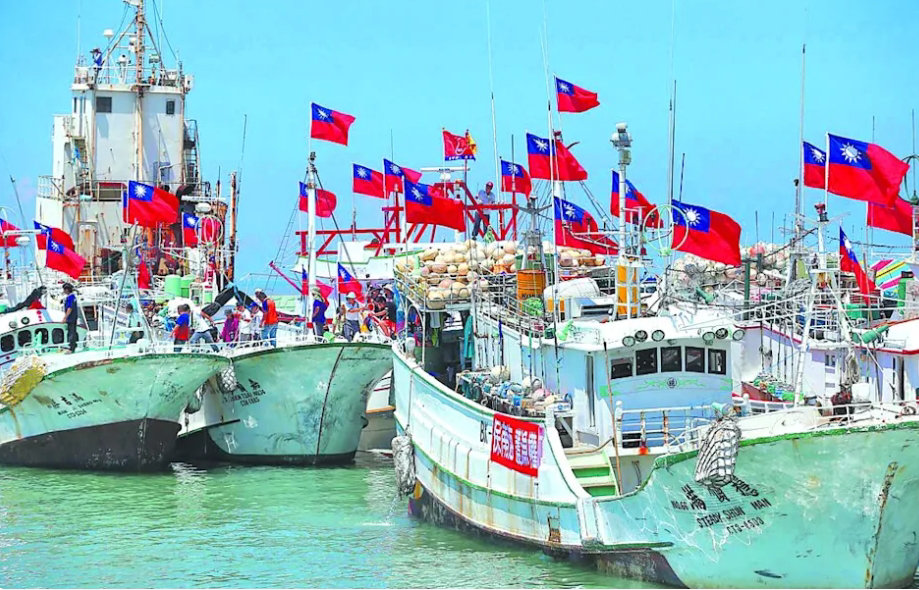
A decade after the South China Sea arbitration case, the Lai administration is criticized for abandoning sovereignty and allowing Beijing to press forward step by step. |
|
|---|
|
Lai Administration Shifts Stance Decade After South China Sea Arbitration
On the 10th anniversary of the South China Sea arbitration ruling, 14 countries, including the United States and Japan, issued a joint statement affirming the legitimacy of the ruling and calling on China to comply with it. The Democratic Progressive Party (DPP) administration, which a decade ago had taken a clear stance of "non-acceptance," has now responded in a low-key and ambiguous manner, while also indicating that it "will work with like-minded countries to safeguard freedom of navigation in the South China Sea," effectively joining the 14 nations in directing criticism toward Beijing.
|
|
|---|
|
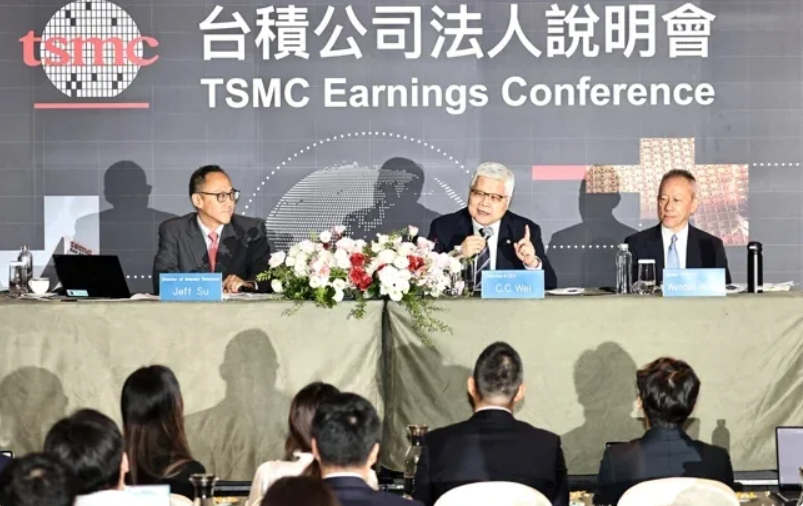
The Taiwan Semiconductor Manufacturing Company (TSMC) is expanding investment in the United States while continuing to deepen presence in Taiwan, demonstrating the company’s importance to the supply chain and global influence. |
|
|---|
|
TSMC Increases U.S. Investment While Deepening Taiwan Presence
Chairman C.C. Wei of the Taiwan Semiconductor Manufacturing Company (TSMC) announced on July 16 an additional $100 billion investment in the United States. The timing of the announcement carries three significant implications: fulfilling commitments to customers, easing pressure from the U.S. government, and encouraging the semiconductor supply chain to accelerate its investment and expansion in the United States. From a regional perspective, however, TSMC's primary focus remains Taiwan. Over the next five years, the company plans to build more than 25 new fabs in Taiwan, ensuring that the country's position in the global semiconductor industry continues to strengthen and making Taiwan an increasingly important partner sought by the United States, Japan, and South Korea.
|
|
|---|
|
Papua New Guinea announced closure of the Taipei Economic Office. Beijing expressed high praise, while the Ministry of Foreign Affairs lodged stern protest. |
|
|---|
|
July 12:
On the 10th anniversary of the South China Sea arbitration ruling, 14 countries including the Philippines, United States, and Japan, issued a joint statement urging all parties to comply. Compared to President Tsai Ing-wen’s firm stance 10 years ago of “never accepting” the ruling, President Lai Ching-te’s attitude was softer. The opposition parties called on President Lai to visit Taiping Island (Itu Aba) during his term to assert sovereignty, warning that Taiwan risks losing its voice on South China Sea issues. |
|
|---|
|
July 13:
The Ministry of Finance announced a total tax revenue for the first half of the year. Securities transaction tax in June reached NT$84.9 billion, (about US$2.6 billion) setting a new monthly record. For the first half of the year, securities transaction tax totaled NT$333.5 billion (about US$10.2 billion), already surpassing the entire previous year, ensuring a new annual record high. |
|
|---|
|
July 15:
The Army’s “drone countermeasure system” procurement case faced renewed controversy. The opposition revealed that the winning contractor, Tron Future, failed three times in delivery inspections and re-inspections, causing system deployment on Taiwan’s outlying islands to be delayed by more than two years. The Army Command confirmed the failures and reported contract termination. |
|
|---|
|
July 15:
Restrictions on establishing data centers above 5MW north of Taoyuan may be conditionally lifted. Chairman Tseng Wen-sheng of the Taiwan Power Company stated that if Taoyuan or Keelung cities plan special zones near power plants, Taipower could cooperate with local governments. |
|
|---|
|
July 15:
The Food and Drug Administration (FDA) of the Ministry of Health and Welfare (MOHW) significantly relaxed pesticide residue limits for 174 imported fruits and vegetables, including apples. The opposition questioned whether this was a concession made to facilitate signing the U.S.-Taiwan Agreement on Reciprocal Trade. |
|
|---|
|
July 16:
Chairman C. C. Wei of the Taiwan Semiconductor Manufacturing Company (TSMC) announced at the earnings call that the company will invest an additional US$100 billion in Arizona to build several fabs for 2nm and more advanced processes, while also pledging continued investment in Taiwan. Wei predicts that AI demand will remain strong at least until 2029. |
|
|---|
|
July 16:
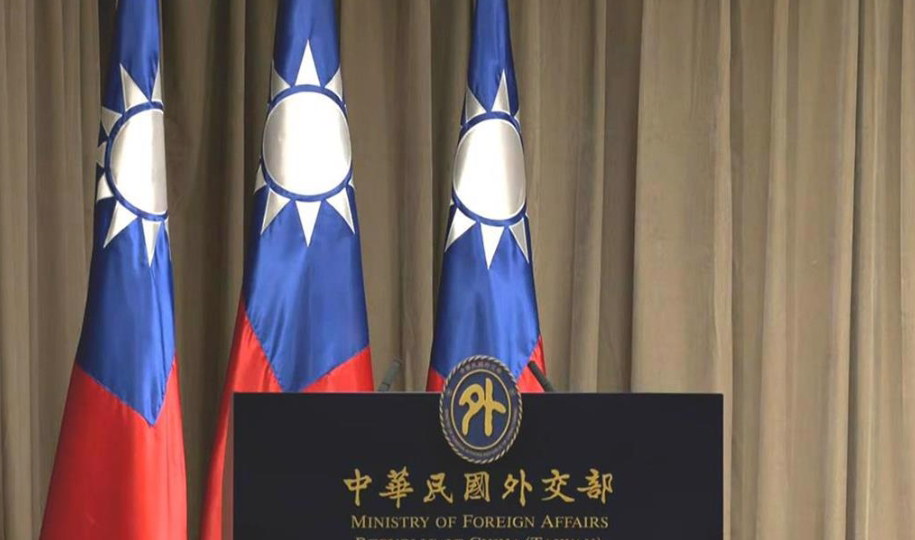
Papua New Guinea reaffirmed its “One China” policy, announcing the immediate closure of the Taipei Economic Office and cessation of operations. Mainland China’s Ministry of Foreign Affairs highly praised the decision, while Taiwan’s Ministry of Foreign Affairs lodged stern protest. |
|
|---|
|
July 17:
The carcinogenic cooking oil scandal involving Central Union Oil Corp. expanded, with 27,000 metric tons of oil products now subject to recall and removal from shelves. Critics accuse the government of initially covering up the crisis, and calls for administrative accountability grew louder. The opposition urged the people to take to the streets on July 25 for self-rescue. Premier Cho Jung-tai, Minister of Health and Welfare Shih Chung-liang, and Director-General Chiang Chih-kang of the FDA were listed as defendants in a “special case” investigation for alleged official dereliction of duty causing disaster. |
|
|---|
|
|