|
| | |
After Meeting Xi, Trump Doesn’t Want to See
Taiwan Pushing for Independence |
|
|---|
|
|
|
|
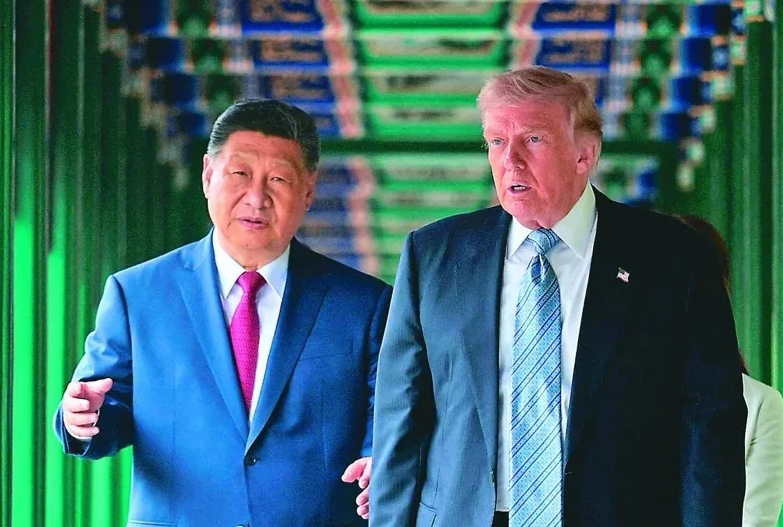
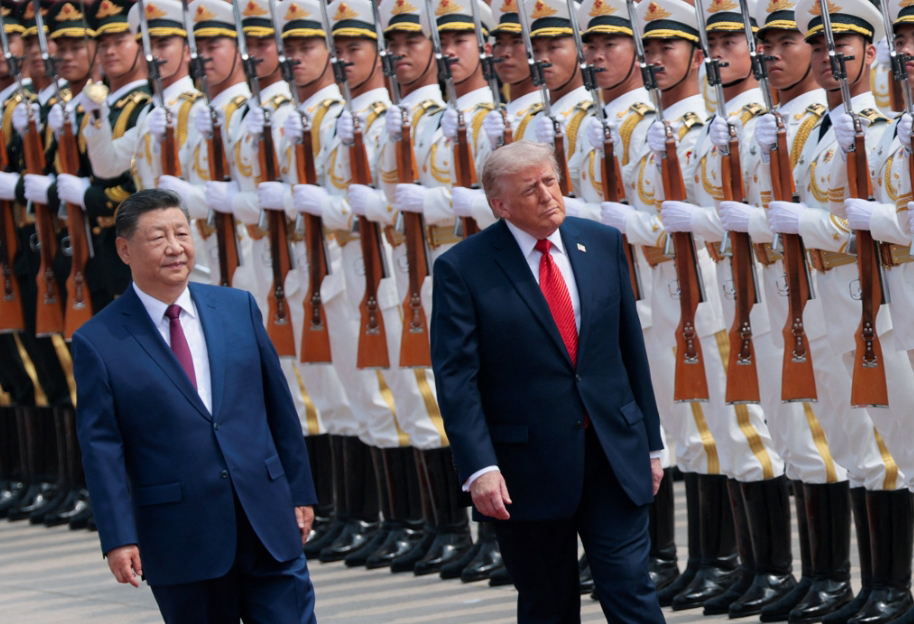
President Donald Trump of the United States and Chinese President Xi Jinping discussed the Taiwan issue in Beijing. Trump warned that if Taiwan harbors ambitions of independence and provokes conflict, it should not rely upon U.S. support. |
|
|---|
|
Trump-Xi Consensus: Taiwan Must Not Rely on the U.S. to Seek Independence
After holding back for two days, President Donald Trump of the United States finally poured out his remarks regarding the Taiwan issue after Air Force One took off from Beijing. It turns out that Mr. Trump and Chinese President Xi Jinping had talked through the night about Taiwan, and Mr. Trump even claimed that he now understands Taiwan better than he understands other countries. He told the media that he does not want to see anyone moving toward independence, and that Taiwan should not expect a blank check of military support from the United States. Mainland Chinese state media also released remarks from Minister of Foreign Affairs Wang Yi stating that the Chinese side felt that the United States understood China’s position, valued China’s concerns, and neither recognized nor accepted Taiwan moving toward independence. The greatest consensus from the Trump-Xi Beijing night talks was, unexpectedly, that Taiwan must stop “seeking independence by relying on the United States.”
|
|
|---|
|
After the Trump-Xi meeting, war anxiety has risen. Cross-strait exchanges become the new focus of public opinion. |
|
|---|
|
War Anxiety Reshapes Taiwan's Public Opinion
After President Donald Trump of the United States and Chinese President Xi Jinping met in Beijing, Taiwan once again became a core issue on the bargaining table between the United States and China. During the meeting, Mr. Xi clearly told Mr. Trump that the Taiwan issue is the most important issue in U.S.-China relations, and that if it is not handled properly, the two countries could “collide or even come into conflict.” Before the meeting, Mr. Trump had already stated that he would discuss arms sales to Taiwan with Mr. Xi. Taken together, these two developments have had a far deeper psychological impact on Taiwanese society than the government’s verbal reassurance that there were “no surprises.”
|
|
|---|
|
Mr.Trump’s tariff defeats pile up. Other countries overturn and benefit, while Taiwan becomes the world’s biggest loser. |
|
|---|
|
Trump's Tariff War Suffers Two Consecutive Setbacks: Taiwan the Biggest Loser
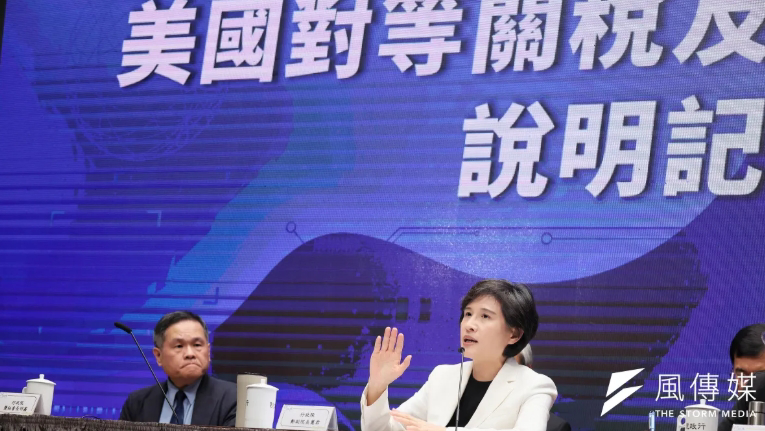
Last week, another one of tariff war tools leveraged by President Donald Trump of the United States was declared invalid by the court, dealing a blow his policy of imposing a 10 percent tariff on the world; while Taiwan appeared to benefit on the surface, in reality it suffered losses on all fronts, becoming the only country in the world that “lost everything.”
|
|
|---|
|
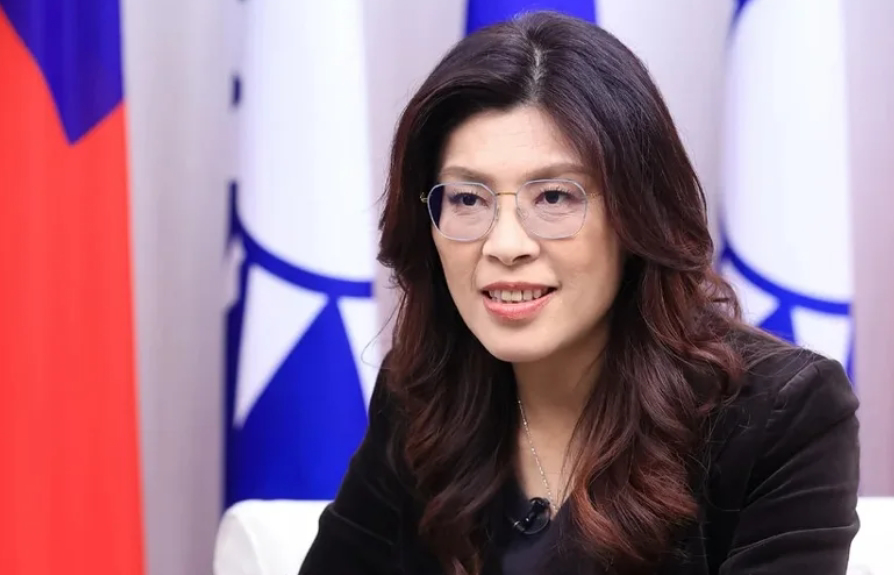
In a CNN interview, Chairwoman Cheng Li-wun of the Kuomintang (KMT) expressed support for necessary arms purchases and hopes to build a chain of peace and prosperity. |
|
|---|
|
May 9:
The Legislative Yuan passed on third reading a Special Act for Safeguarding National Security and Strengthening Asymmetric Combat Power Procurement with a budget of NT$780 billion (about US$24 billion). Washington welcomed the move; however, a Department of State spokesperson cautioned that further delays in funding the remaining proposed capabilities are a concession to the Chinese Communist Party. This version falls short of the Executive Yuan’s expected NT$1.25 trillion (about US$39.7 billion) scale, and the administration of President Lai Ching-te is considering submitting another special budget and drafting a separate special act for the drone industry. |
|
|---|
|
May 9:
President Santiago Peña of Paraguay visited Taiwan. In talks with President Lai Ching-te, he condemned China’s military exercises around Taiwan and its intensifying economic pressure, opposing Beijing’s attempts to use coercion to interfere with Paraguay Lai’s visits to diplomatic allies. President Lai announced that Taiwan will open to imports of Paraguayan poultry. |
|
|---|
|
May 9:
The Taiwan Semiconductor Manufacturing Company (TSMC) revived its expansion plan for the Longtan campus in Hsinchu Science Park, positioning it as a major hub for advanced packaging following its first plant in Arizona. The Hsinchu Science Park Bureau, National Science and Technology Council, confirmed TSMC has file a plant application. The board also approved over US$31.2 billion in capital spending, including up to US$20 billion in additional investment fort its Arizona subsidiary. |
|
|---|
|
May 10:
In a CNN interview, Chairwoman Cheng Li-wun of the Kuomintang (KMT) proposed a concept of “chain of peace and prosperity.” On arms procurement, she reiterated that the KMT supports concrete, specific U.S. arms sales aligned with Taiwan’s defense needs, stressing that items already with price offers should be prioritized and processed swiftly. |
|
|---|
|
May 11:
To fulfill its investment commitments in the United States, the government plans to replicate the Taiwan model of the Hsinchu Science Park, with the initial goal of establishing “overseas industrial clusters.” Minister Yeh Chun-hsien of the National Development Council stated that beyond Houston, Texas, the delegation’s U.S. study trip identified three potential sites in Phoenix, Arizona. |
|
|---|
|
May 12:
President Lai Ching-te appointed Hsu Hsi-hsiang, whose nomination as prosecutor-general was rejected by the Legislative Yuan, as “acting” prosecutor-general. The Judicial Reform Foundation raised serious concerns about the legitimacy and legality of the move, urging the president to withdraw the appointment. |
|
|---|
|
May 14:
During his meeting with Chinese President Xi Jinping, Xi emphasized that Taiwan is the most important matter in U.S.-China relations. He warned that if mishandled, the two countries could collide or even enter into conflict. Mr. Xi declared that Taiwan independence and peace in the Taiwan Strait are irreconcilable and urged the United States to handle Taiwan with the utmost caution. On his return flight, Mr. Trump stated that he had made no commitments to Mr. Xi. However, in a Fox News interview aired on May 15, Mr. Trump stated that he does not want to see anyone moving towards independence, nor anyone claiming Taiwan independence because he has U.S. support. |
|
|---|
|
May 15:
TSMC announced the sale of its 8.1 percent stake in Vanguard International Semiconductor (VIS) to focus resources on its core business. The shares will be sold to financial investment institutions, reducing TSMC’s stake in VIS to 19 percent. |
|
|---|
|
|
|
|---|
|
| |
|
| |
|
|