President Lai Ching-te makes a diplomatic break with a surprise foreign visit in advance of the meeting between U.S. and Chinese leaders. As tensions rise in the Taiwan Strait, Taiwan will bear increased risks. |
|
|---|
|
President Lai's High-Stakes Diplomatic Gamble
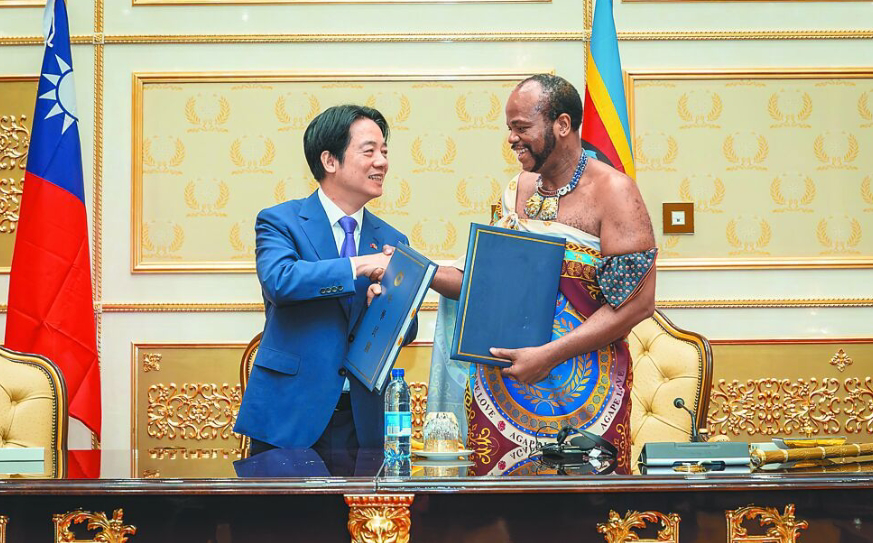
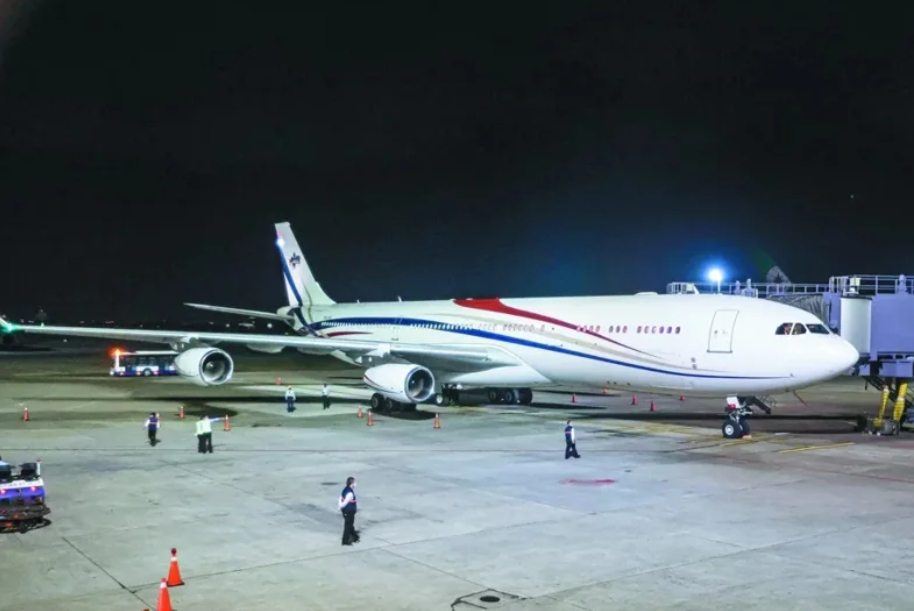
President Lai Ching-te arrived in the Kingdom of Eswatini aboard the country’s official aircraft, publicly announcing a breakthrough of diplomatic blockade. On the surface, this appeared to be a diplomatic visit to Taiwan’s only African ally; however, against the backdrop of intensifying U.S.-China competition, rising cross-strait tensions, and the upcoming meeting between President Donald Trump of the United States and Chinese President Xi Jinping, it was also a highly politicized battle of international signaling.
|
|
|---|
|
President Lai’s visit to Eswatini faced obstacles not only due to pressure from Beijing but also because it touches on sensitive red lines in Africa. |
|
|---|
|
Policy Mistakes Explain Setbacks During Visit
President Lai Ching-te encountered setbacks during his visit to Taiwan’s African ally, Eswatini, as his flight route was obstructed, delaying his arrival by a full ten days before he finally managed to arrive secretly aboard an Eswatini government aircraft. President Lai’s diplomatic determination and perseverance deserve recognition; however, such a “smuggling-style” visit, difficult as it was, lacked dignity, and the delayed arrival also made it difficult to justify the so-called “arrival then announce” (ATA) model. More importantly, it must be emphasized that the obstruction of this trip was not entirely caused by interference from Communist China, but rather because statements made by Taiwan’s “quasi-diplomatic partner,” Somaliland, crossed the African Union’s red line regarding separatism prevention, triggering backlash. This lesson must be remembered.
|
|
|---|
|
The crisis in the Middle East continues to intensify ahead of the Trump-Xi summit. U.S.-China rivalry may once again push Taiwan onto the negotiating table. |
|
|---|
|
Echoes of Middle East Crisis to Reach Taiwan Strait
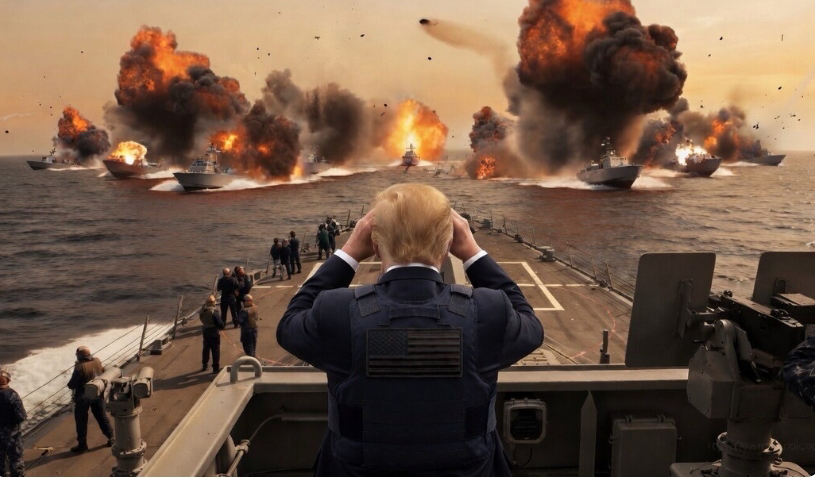
President Donald Trump of the United States has restarted navigation through the Strait of Hormuz under the banner of “Operation Liberty.” On the surface, this appears to restore order to international shipping, but in reality, it is pushing the U.S.-Israel-Iran conflict into an even more dangerous phase.
|
|
|---|
|
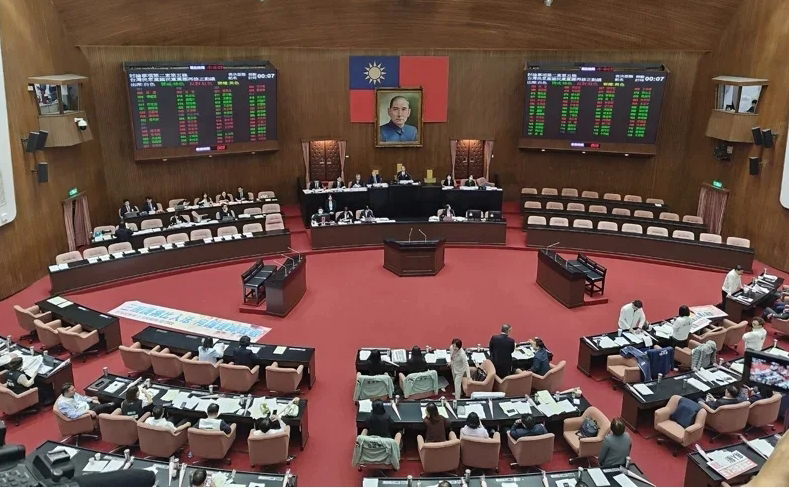
The Legislative Yuan passes the Special Act on Arms Procurement in its third reading. The NT$780 billion (about US$24.8 billion) budget focuses on U.S. arms sales and missile purchases. |
|
|---|
|
May 3:
President Lai Ching-te secretly visited Eswatini, held bilateral talks with King Mswati III, and signed a joint communiqué. President Lai emphasized that the Republic of China (Taiwan) is a sovereign nation, and no country has the right to obstruct Taiwan from contributing to the world. On his return trip, President Lai also flew on King Mswati’s private jet, accompanied by Deputy Prime Minister Thulisile Dladla, back to Taiwan. |
|
|---|
|
May 6:
Former CTiTV anchor Lin Chen-you is suspected of receiving funding from mainland China to act as a spy. He allegedly cooperated with Beijing in manipulating public opinion and assisted in bribing Taiwan military personnel to obtain classified information. Prosecutors indicted him on charges of violating the Anti-Infiltration Act, corruption laws, and money laundering, seeking sentences of five and seven years, respectively. |
|
|---|
|
May 6:
President Donald Trump of the United States will visit Beijing next week. Secretary of State Marco Rubio stated that Taiwan will certainly be mentioned during U.S.-China talks, as both sides do not want to see turmoil in Taiwan or the Indo-Pacific region, considering it a shared interest. Mr. Rubio recently spoke with mainland Chinese Minister of Foreign Affairs Wang Yi, during which Beijing reiterated that the issue of Taiwan concerns China’s core interests and is the greatest risk in U.S.-China relations; Washington should honor its commitments and make the right choice. |
|
|---|
|
May 6:
The Financial Supervisory Commission announced that foreign capital net inflows in April reached US$26.4 billion, not only setting a record high for the same period in history but also marking the largest single-month net inflow ever. This shows that amid the artificial intelligence (AI) boom, international funds remain optimistic about Taiwan’s capital market. |
|
|---|
|
May 6:
The nephew of Minister of the Interior Liu Shih-fang was dismissed from his job at a mainland Chinese company. The Taiwan Affairs Office of the mainland’s State Council declared that it will never allow “stubborn Taiwan independence elements” and their relatives to profit from investing or doing business in the mainland while simultaneously supporting separatist activities. The Mainland Affairs Council criticized Beijing for expanding its Taiwan independence financiers list to pressure Taiwanese businesses into political statements. |
|
|---|
|
May 7:
A rare hantavirus outbreak occurred on the Dutch cruise ship MV Hondius, resulting in three deaths. Passengers revealed that there were Taiwanese nationals on board who have since disembarked and returned home. Director-General Lo Yi-chun of the Centers for Disease Control (CDC), Ministry of Health and Welfare, stated that preliminary assessment suggests a high likelihood of misinformation. The CDC has sought confirmation from the World Health Organization and the cruise company but has yet to receive a reply. |
|
|---|
|
May 7:
The Ministry of Civil Service required military, civil servants, and teachers to routinely submit sworn statements twice a year declaring they are not registered residents in mainland China, sparking backlash among public employees. Legislators received complaints that the Directorate-General of Personnel Administration, Executive Yuan, issued a notice explicitly stating that failure to submit such statements would prevent hiring or reassignment, and individuals would be placed under monitoring, reigniting controversy. |
|
|---|
|
May 8:
The Legislative Yuan passed the Special Arms Procurement Act on its third reading. By vote, the opposition's joint amendment was adopted, limiting procurement items to U.S. arms sales, with a total budget of NT$780 billion (about US$24.8 billion). The five announced arms sales were reduced to NT$300 billion (about $9.5 billion). If the United States agrees within one year after the bill takes effect to sell a new batch of air-defense missiles and three other arms items, then the budget cap will be NT$480 billion (about US$15.3 billion). |
|
|---|
|
|