|
| | |
Review of Arms Procurement Bill
Exposes KMT Internal Division
|
|
|---|
|
|
|
|
The issue of arms procurement from the United States has created an internal split in the Kuomintang (KMT) between pro-American and American-skeptic factions. The U.S. is also taken aback. |
|
|---|
|
Rift Between KMT and U.S.
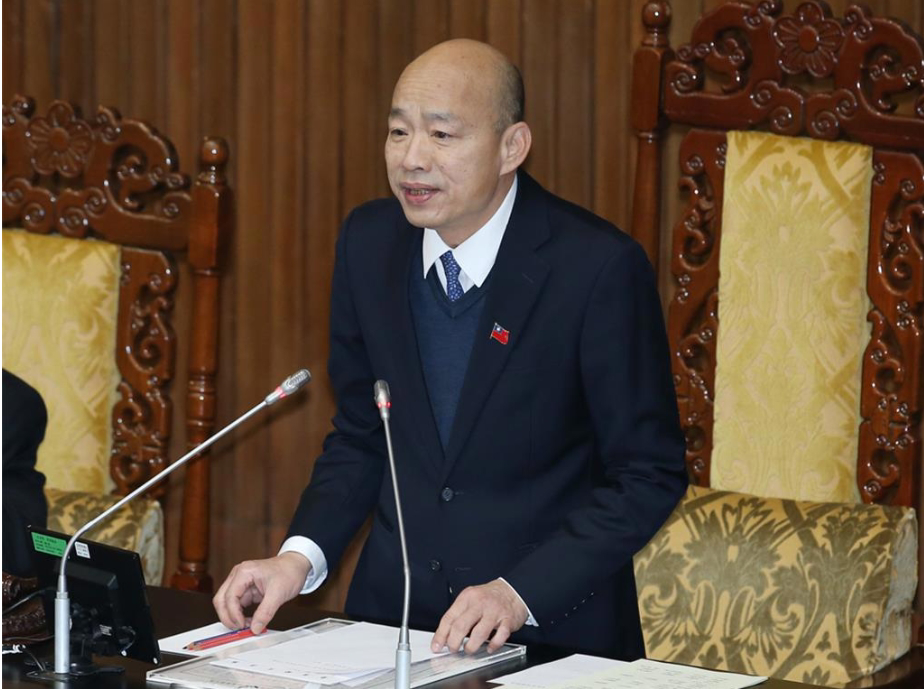
The Kuomintang’s (KMT) recent handling of the proposed “Special Act for Defense Procurement” has sparked major internal controversy. KMT Vice Chairman Chi Lin-lien declared at the Central Standing Committee that he would put righteousness above personal ties and expel Speaker Han Kuo-yu of the Legislative Yuan from the party. The divide between pro-American and American-skeptic factions within the party has intensified. At its core, the reason lies in the fact that since the KMT became an opposition party, its distance from the United States has grown ever wider. The resulting mistrust and lack of understanding have led to the current deadlock. The scale of the contradiction is likely something even the United States, which has been actively lobbying recently, did not anticipate.
|
|
|---|
|
Agreement on Reciprocal Trade (ART) concessions impact Taiwan’s farmers and food safety. The special budget of NT$1.25 trillion in arms purchases has reignited controversy. |
|
|---|
|
Misled by U.S.-Taiwan Trade Agreement: How Could Public Opinion Unconditionally Support Arms Purchases?
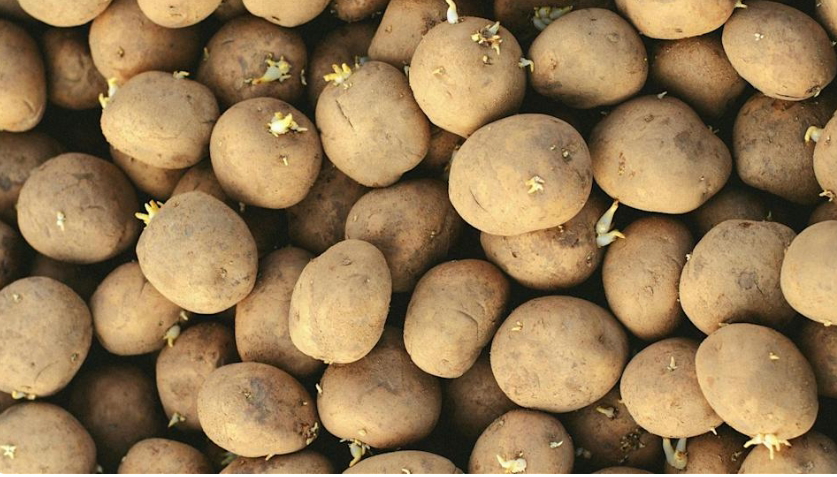
The easing of quarantine standards for imported potatoes under the U.S.-Taiwan Agreement on Reciprocal Trade (ART) shocked the public. On April 28, it was further revealed that American peanuts would enter Taiwan with zero tariffs and exemption from Special Safeguard Measures (SSG), impacting farmers’ livelihoods. Whether inspection standards for American pork and beef will also be “adjusted” has drawn increasing attention. The Democratic Progressive Party (DPP) administration’s negotiation with the United States has been opaque, and now it appears to have made concession after concession. Should the Taiwanese people still unconditionally support a special arms procurement budget of NT$1.25 trillion (about US$40 billion) over eight years?
|
|
|---|
|
President Lai Ching-te will face an impeachment vote. His governance is criticized by the opposition for stagnation and incompetence. |
|
|---|
|
President Lai's Impeachment Unlikely to Pass But Remains Political Blemish
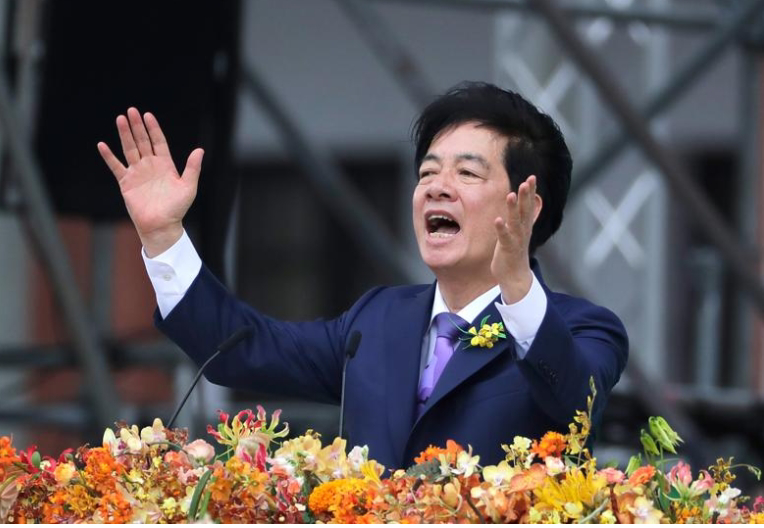
On May 19, a roll-call vote will be held on the impeachment motion against President Lai Ching-te. The date happens to fall on the eve of the second anniversary of his inauguration, making it particularly symbolic.
|
|
|---|
|
President Donald Trump of the United States is due to visit Beijing in May. A scholar is wary of the possibility of a secret pact between the United States and China on Taiwan. |
|
|---|
|
April 27:
In the Taiwan Semiconductor Manufacturing Company (TSMC) 2nm leak case, the engineer involved was sentenced to 10 years in prison. Tokyo Electron’s Taiwan subsidiary was fined NT$150 million (about US$4.7 million). This is the first conviction under the National Security Act for stealing core national technologies. |
|
|---|
|
April 27:
The Legislative Yuan held a full committee hearing on the impeachment motion against the president. Opposition parties criticized the government for refusing to counter-sign, promulgate, or implement laws passed by the Legislative Yuan, calling it a “silent martial law” that paralyzes parliament. Scholars also criticized President Lai Ching-te for not attending the hearing to report to the people, calling it a form of “constitutional megalomania.” The Office of the President did not respond. |
|
|---|
|
April 27:
The Ministry of the Interior questioned the eligibility of mainland Chinese spouses to serve as legislators under the Nationality Act. However, newly appointed Chairman You Ying-lung of the Central Election Commission stated that unless the Constitution is amended, applying the Nationality Act to restrict the political participation of mainland spouses is far-fetched and highly controversial. |
|
|---|
|
April 28:
Negotiations continue between ruling and opposition parties over the draft special military procurement bill. Chairwoman Cheng Li-wun of the Kuomintang (KMT) stated that as long as there is a U.S. price quote, they will not delay, but insisted that the party will never support a blank check authorization of NT$1.25 trillion (about US$40 billion). Within the KMT, divisions remain over whether to pass a NT$800 billion (about US$25.3 billion) or “NT$380 billion (about US$12 billion) + N” version. |
|
|---|
|
April 29:
Because three African countries closed their airspace to Taiwan’s presidential aircraft, President Lai’s planned visit to Eswatini was canceled. Bloomberg revealed that Germany and the Czech Republic also rejected President Lai’s transit requests. The Ministry of Foreign Affairs (MOFA) did not deny this, only saying it would not comment on operational details. The German Institute Taipei responded that all airspace management decisions are based on safety and stability; the Czech Ministry of Foreign Affairs said that it had not received such a request. |
|
|---|
|
April 30:
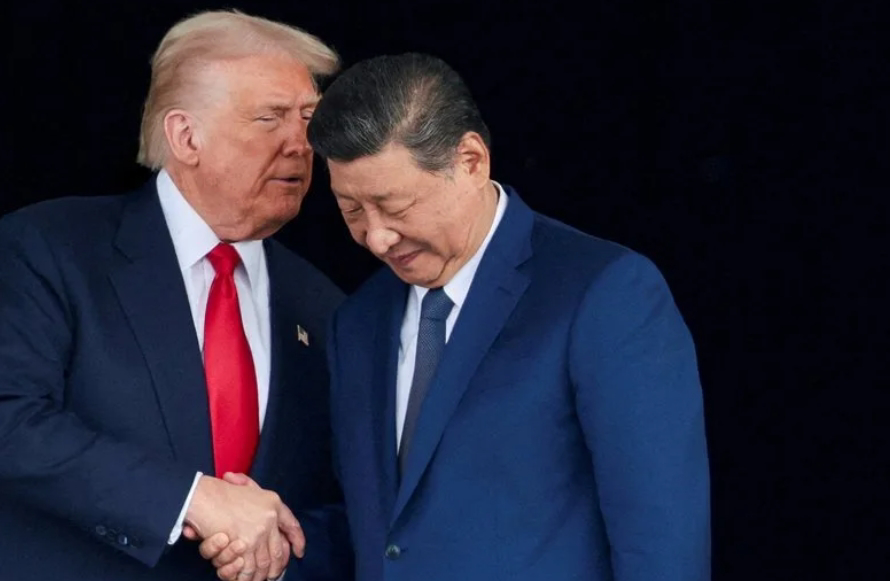
President Donald Trump of the United States will visit Beijing in May. Kenji Minemura, head of Canon Global Strategy Institute’s China Research Center, wrote that during his visit to Washington last year, American officials mentioned the Taft-Katsura Agreement as “internal reference.” Minemura suggested that the upcoming U.S.-China leaders’ meeting might include a similar “Taiwan secret deal.” If Mr. Trump promises no military intervention In case of conflict, it could accelerate the mainland’s push for unification with Taiwan. |
|
|---|
|
April 30:
MOFA announced that President Santiago Peña of Paraguay will pay a state visit to Taiwan from May 7 to 10. On the same day, the New York Times reported that Paraguay, the Republic of China’s only diplomatic ally in South America, is under growing economic temptation and diplomatic pressure from Beijing to sever ties with Taipei. |
|
|---|
|
April 30:
KMT Chairwoman Cheng, who plans to visit the United States in June, told American media that she would support a statement of opposing Taiwan independence by President Trump. According to Cheng, it would help build mutual trust with Beijing and improve cross-strait relations. The KMT later clarified that Cheng meant if President Trump made such a statement, it would align with the party’s stance against Taiwan independence. |
|
|---|
|
May 2:
Without prior announcement, President Lai secretly flew to African diplomatic ally Eswatini to begin a state visit. President Lai had originally planned to visit Eswatini on April 22, but the trip was canceled last minute due to aviation rights issues. |
|
|---|
|
|
|
|---|
|
| |
|
| |
|
|