|
| | |
China Announces 10 Policies Towards Taiwan,
Calls for Resumption of Direct Flights
|
|
|---|
|
|
|
|
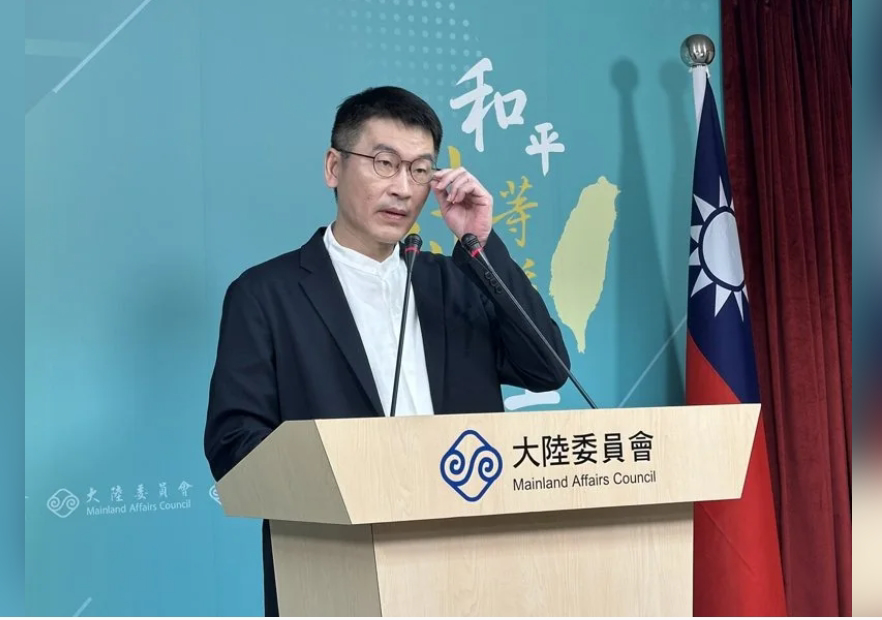
China is taking a rare initiative to resume cross-strait direct flights. The Mainland Affairs Council (MAC) rejected the proposal, drawing criticism that it validates Beijing’s accusations. |
|
|---|
|
DPP Administration Refuses Dialogue, Blocking Cross-Strait Exchanges
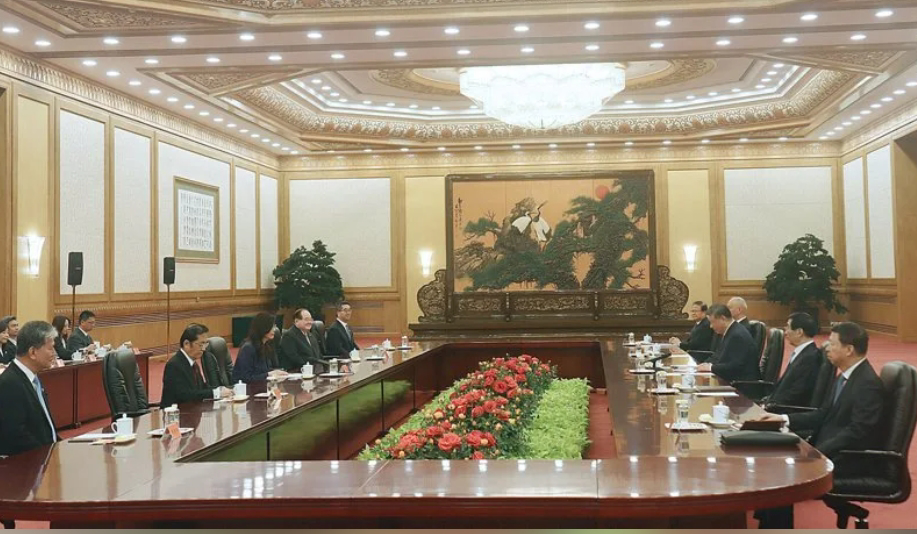
After the meeting between Chairwoman Cheng Li-wun of the Kuomintang (KMT) and Chinese President Xi Jinping in Beijing, mainland China revealed that its Association for Tourism Exchange Across the Taiwan Straits (ATETS) had recently once again sent a letter to the Taiwan Visitors Association (TVA), calling for the swift and comprehensive restoration of cross-strait passenger direct flights. This was originally an opportunity to restart functional negotiations and resume cross-strait people-to-people exchanges, but it ultimately remained shelved under President Lai Ching-te’s policy stance of political confrontation.
|
|
|---|
|
Chairwoman Cheng Li-wun of the Kuomintang (KMT) promotes the narrative of “make Taiwan prosper through peace”, shifting the election focus towards risk management. |
|
|---|
|
Cheng Promotes “Make Taiwan Prosper through Peace" Narrative, Challenging DPP Stance
As Chairwoman Cheng Li-wun of the Kuomintang (KMT) sat down with Chinese President Xi Jinping for talks in Beijing, the “Cheng–Xi meeting” not only marked the resumption of inter-party dialogue but also resembled a direct fastball thrown into the heart of the year-end local elections, reshaping the narrative structure. The key lies not in what Mr. Xi said, but in the “making Taiwan prosper through peace” framework that Ms. Cheng introduced in Beijing—an attempt to replace the long-entrenched independence–unification debate with a more operational paradigm, challenging the ruling Democratic Progressive Party’s (DPP) “resist China to protect Taiwan” narrative and shifting the campaign focus from identity confrontation to risk governance and development choices.
|
|
|---|
|
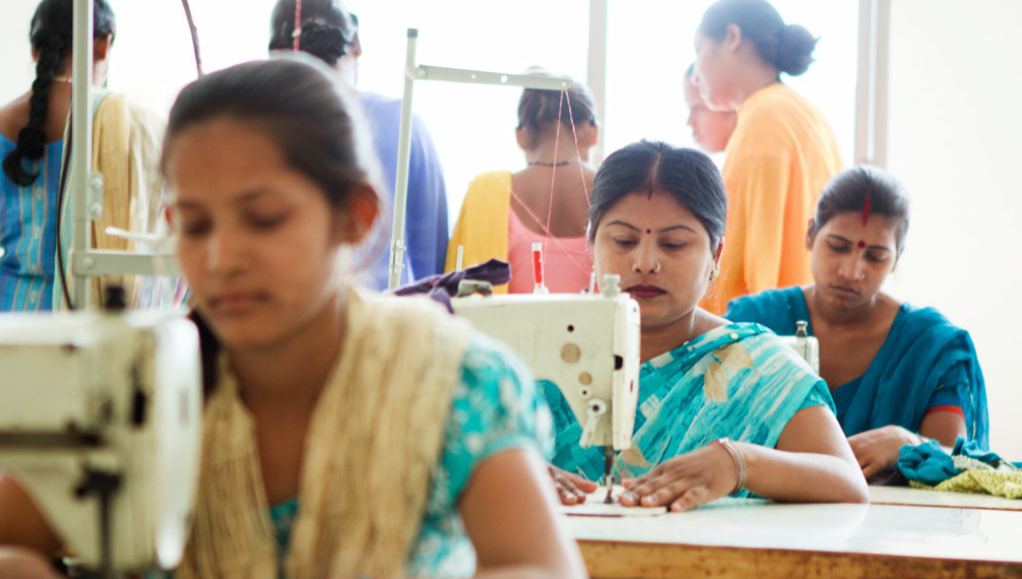
The plan to open Taiwan to the employment of Indian migrant workers has seen backlash over public safety concerns. Critics blame the administration of President Lai Ching-te for malicious smearing and poor communication. |
|
|---|
|
Policy to Introduce Indian Migrant Workers Exposes Government's Dark Side
On introducing Indian workers to Taiwan, the administration of President Lai Ching-te has displayed its most troubling and questionable side.
|
|
|---|
|
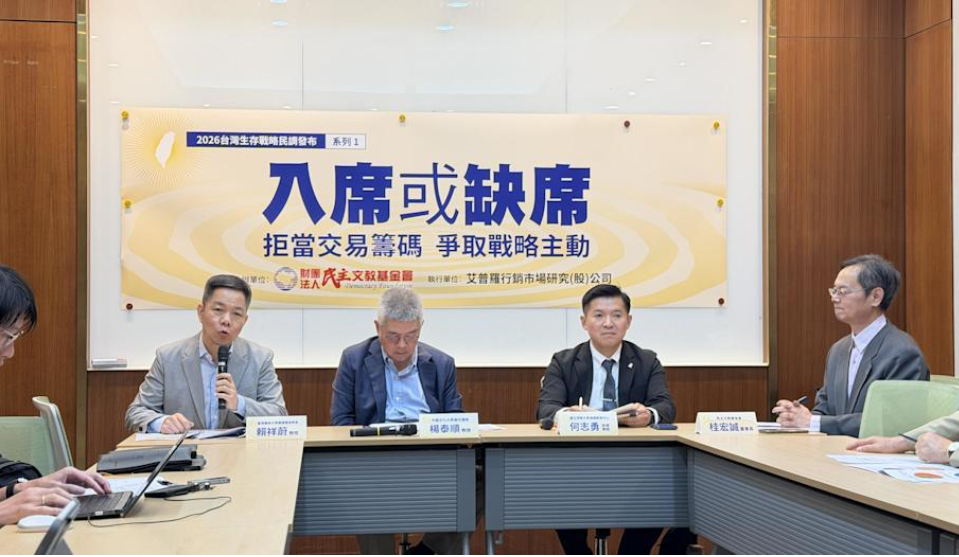
A poll shows that over 50 percent of Taiwan’s public support discussing unification. Some 75 percent favor proactive negotiations to secure the best possible terms. |
|
|---|
|
April 11:
Nanya Technology announced that it will raise NT$78.7 billion (about US$2.5 billion) through private placement, introducing investment from four major companies: Kioxia, SanDisk, Solidigm, and Cisco. Nanya is Taiwan’s only DRAM manufacturer with independent 10nm research and development capability, and is reportedly planning to invest in high value-added customized memory and high-bandwidth memory. |
|
|---|
|
April 12:
During the visit to mainland China by Chairwoman Cheng Li-wun of the Kuomintang (KMT), Beijing announced 10 measures towards Taiwan, including resuming individual travel for residents of Shanghai and Fujian to Taiwan and normalizing cross-strait passenger flights with expanded destinations. The Office of the President urged Beijing to negotiate with Taiwan’s competent authorities. |
|
|---|
|
April 13:
Taiwan and India signed a labor cooperation memorandum in 2024. Minister of Labor Hung Sun-han announced that the first batch of Indian migrant workers may arrive this year. Public backlash followed, with over 40,000 signing a petition on the Public Policy Online Participation Platform demanding termination of the plan. |
|
|---|
|
April 14:
The Democratic Cultural and Educational Foundation released the latest poll on cross-strait relations. More than 50 percent of respondents believe that Taiwan should proactively face and discuss the issue of “unification,” and 75.5 percent support initiating negotiations to secure the best possible terms. |
|
|---|
|
April 14:
The nationality controversy surrounding Taiwan’s first legislator of mainland Chinese spouse origin, Lee Chen-hsiu, remains unresolved. Recently, she sparked another uproar with controversial remarks and was expelled from the Taiwan People’s Party (TPP). Since Lee was a legislator-at-large, she will lose her seat in the Legislative Yuan. |
|
|---|
|
April 15:
Mainland China launched a civil aviation “mini two sessions” mechanism, calling for the swift full resumption of cross-strait passenger flights. The Mainland Affairs Council (MAC) initially said it would evaluate pragmatically but later changed its stance, saying current routes are sufficient, and there is no urgent need to expand. The MAC criticized the move as a bargaining chip in KMT-Communist Party dealings aimed at pressuring Taiwan’s government. |
|
|---|
|
April 16:
The Taiwan Semiconductor Manufacturing Company’s (TSMC) first-quarter revenue hit US$35.9 billion, setting a new record. Chairman C. C. Wei stated at the earnings call that orders are very strong, and annual revenue growth is expected to exceed 30 percent, better than forecast. He announced simultaneous expansion of 3nm fabs in Taiwan, the United States, and Japan, breaking past monthly capacity limits to meet strong demand for advanced processes. |
|
|---|
|
April 16:
With market expectations easing over the Middle East, Taiwanese technology firms regained investor favor. TSMC stock closed at NT$2,085 (about US$66.20), a record high, while the TAIEX reached an intra-day peak of 37,135 points and closed at 37,132 points, both new highs. Taiwan’s total market capitalization rose to US$4.1 trillion, surpassing the United Kingdom to become the world’s seventh-largest stock market. |
|
|---|
|
|
|
|---|
|
| |
|
| |
|
|