|
| | |
KMT Chair to Visit Mainland China After 10 Years,
Will Meet Xi
|
|
|---|
|
|
|
|
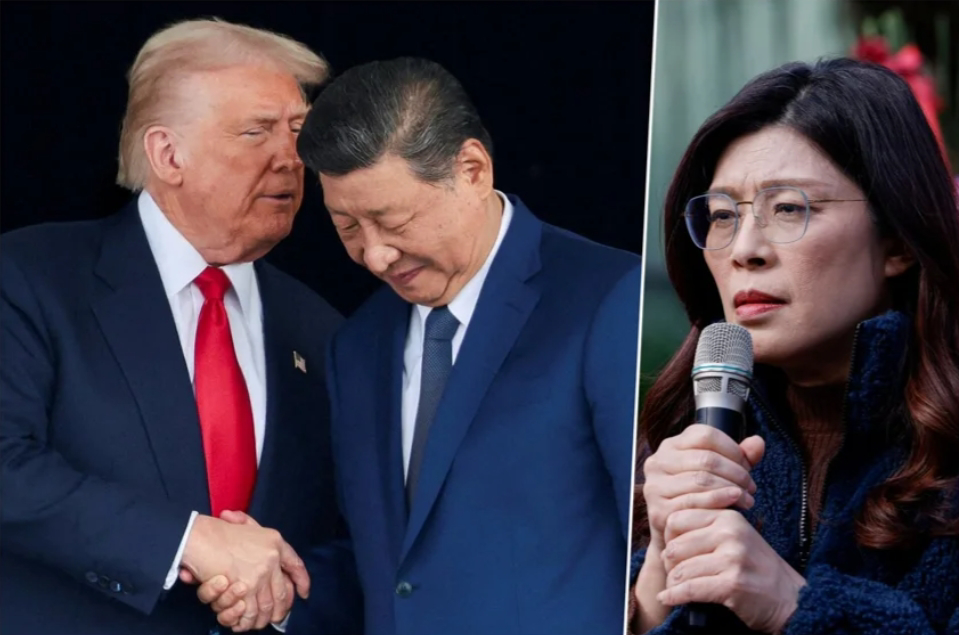
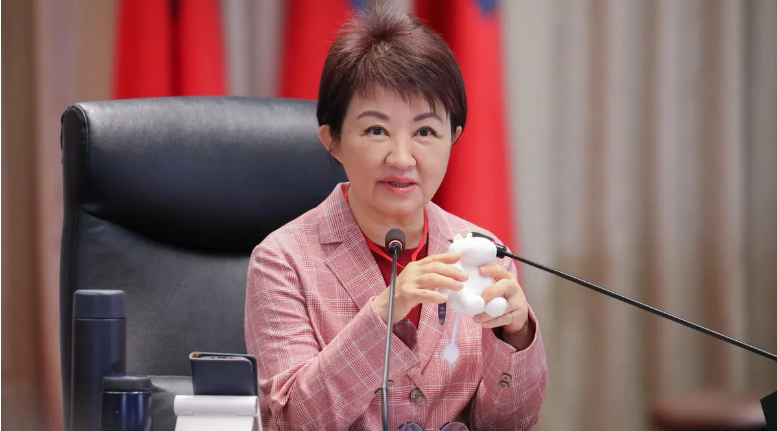
Chairwoman Cheng Li-wun of the Kuomintang (KMT) is set to meet Chinese President Xi Jinping earlier than President Donald Trump of the United States. The arrangement demonstrates Beijing’s intention to manage cross-strait relations. |
|
|---|
|
Before Meeting Trump, Beijing Seeks Cross-Strait Stability
Yesterday morning, both the Kuomintang (KMT) and Chinese Communist Party (CCP) announced that KMT Chairwoman Cheng Li-wun will soon visit mainland China. The timing is somewhat sudden, yet not entirely unexpected. After President Donald Trump of the United States confirmed that his visit to China would be postponed until mid-May, Cheng’s trip was only a matter of when it would be announced. What is notable this time is that Director Song Tao of the Taiwan Affairs Office of the CCP Central Committee, personally “authorized the announcement,” underscoring an unusual level of importance attached by the CCP.
|
|
|---|
|
Cheng’s visit to mainland China will affect electoral dynamics. The KMT is striving to balanced ties with both the United States and China to avoid losing ground. |
|
|---|
|
KMT's Balancing U.S. and China Must Persuade Swing Voters
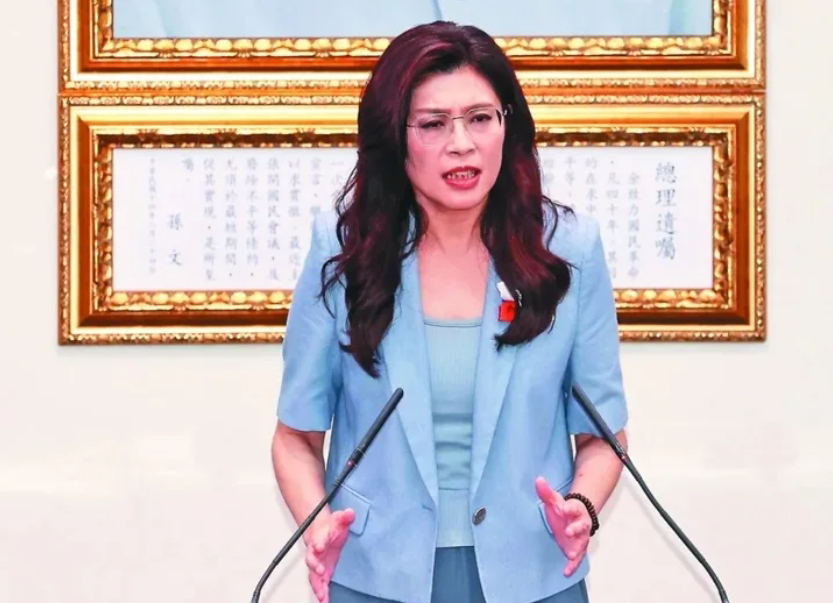
Chairwoman Cheng Li-wun of the Kuomintang (KMT) is leading a delegation to visit the mainland and is expected to meet with General Secretary Xi Jinping of the Chinese Communist Party. Taking place six months before the year-end local elections, will this be a boost or a liability? There are differing interpretations within the KMT. However, engagement is always better than no interaction. If the exchange adheres to the principles of equality, dignity, goodwill, and reciprocity, as advocated by Taipei Mayor Chiang Wan-an, and if its narrative is further strengthened—especially with a planned visit to the United States following the mainland trip—the KMT’s equal emphasis on the United States and China approach should not negatively impact the year-end election prospects.
|
|
|---|
|
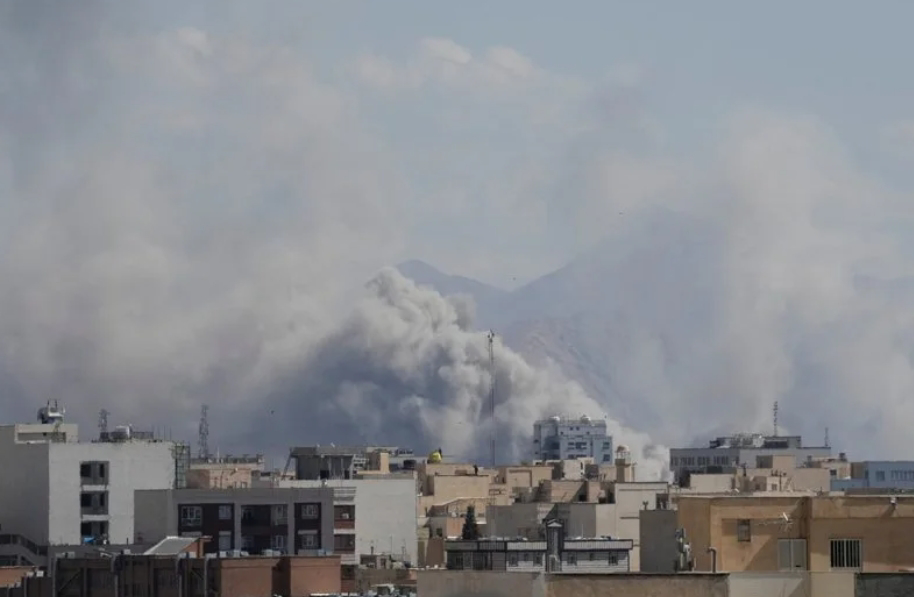
As the United States is busy dealing with Iran, Taiwan’s government should not misjudge the situation as being safer. |
|
|---|
|
Reviewing the "Middle East Conflict Weakens China" Fallacy
A concerningly optimistic narrative has recently emerged in Taiwan’s public discourse: that U.S. strikes on Iran weaken China, and that rising tensions in the Middle East are actually beneficial to Taiwan.
|
|
|---|
|
Taichung Mayor Lu Shiow-yen, a leading KMT contender for the 2028 presidential race, advocates for military purchases worth NT$800 billion (about US$25 billion) to NT$1 trillion (about US$31.3 billion), a stance which diverges from party leadership. |
|
|---|
|
March 28:
On March 6, the Legislative Yuan approved the Executive Yuan to advanced funding for 38 urgent new projects, totaling about NT$71.8 billion (about US$2.2 billion). However, the official documents remain stalled in the Executive Yuan, which insists that “a resolution is not a law,” causing heavy financial pressure on local governments. Taoyuan Mayor and former Premier Chang San-cheng urged Premier Cho: “All of Taiwan is waiting for you.” |
|
|---|
|
March 29:
Ko Wen-je, former chairman of the Taiwan People’s Party (TPP), was sentenced to 17 years in the first trial for crimes including seeking to gain illegal benefits. The TPP held a rally protesting that the judiciary has become a political tool, destroying Taiwan’s new politics; more than 20 Kuomintang (KMT) legislators attended in support. The TPP claimed over 80,000 were present, with online viewership peaking at over 100,000. |
|
|---|
|
March 29:
Due to delays in reviewing the arms procurement budget, the United States agreed to extend the payment deadline for the first installment of 82 HIMARS multiple rocket systems. Lee Wen-chung, former deputy minister of the Veterans Affairs Council, urged the ruling party to respond appropriately to opposition demands for legislation, including budgeting for military pay raises. He suggested that drone and ammunition production, which is key to supporting the defense industry, could be covered in the annual budget. |
|
|---|
|
March 29:
Workplace bullying in the public sector has recently drawn attention. Ambassador Alexander Yui, representative to the United States, was accused of arbitrarily dismissing staff over personal whims, while his wife allegedly humiliated cleaning staff at the official residence, leading to over 20 resignations. The Ministry of Foreign Affairs stated that it will investigate. |
|
|---|
|
March 30:
The KMT and Chinese Communist Party jointly announced that KMT Chairwoman Cheng Li-wun will visit mainland China from April 7 to 12, marking the first such trip by a KMT chair since 2016. Cheng stated that Taiwan need not choose between the United States and China and hopes the visit will usher in “springtime” for cross-strait relations. She added that she is very willing to meet President Lai Ching-te both before and after the trip. |
|
|---|
|
March 30:
Taichung Mayor Lu Shiow-yen, seen as a strong contender for the next KMT presidential nomination, publicly advocated for a reasonable arms procurement budget between NT$800 billion (about US$25 billion) and NT$1 trillion (about US$31.3 billion). She suggested slightly scaling down the domestic submarine program but expanding drone development. Her stance differs from the KMT’s proposal of NT$380 billion (about US$11.9 billion) plus additional funding, raising questions about her alignment with party leadership. |
|
|---|
|
April 2:
Prosecutors uncovered another espionage case involving Democratic Progressive Party (DPP) members. Chu Cheng-chi, legislative aide to now Deputy Secretary-General Ho Chi-wei of the Office of the President, was allegedly recruited by a Chinese Communist united front unit and secretly photographed sensitive documents for Beijing. He was indicted under the National Security Act. Chu had previously been nominated by the DPP to run for Taipei City Council. The DPP quickly expelled him from the party. |
|
|---|
|
April 3:
Vice Premier Cheng Li-chun claimed to have secured preferential treatment from the United States for imported pharmaceuticals. However, the United States announced a 100 percent tariff on imported medicines, and Taiwan was not included among the listed countries receiving preferential treatment. The White House clarified that the U.S. has not agreed to grant Taiwan tariff concessions on pharmaceuticals. |
|
|---|
|
|
|
|---|
|
| |
|
| |
|
|